Understanding EPC Certificate Pricing: What You Need to Know
- xjesstylerx
- Apr 13
- 4 min read
When it comes to property development, building, or even selling a home in the UK, one important document you’ll encounter is the Energy Performance Certificate (EPC). This certificate provides a clear picture of a building’s energy efficiency, which is crucial for meeting building regulations and improving energy use. But how much does it cost to get an EPC? In this post, I’ll walk you through everything you need to know about epc certificate pricing, including what affects the price, how long it takes, and why it’s worth the investment.
What Influences EPC Certificate Pricing?
The price of an EPC can vary quite a bit depending on several factors. Understanding these can help you budget better and avoid surprises.
Property Size and Type: Larger homes or commercial buildings usually cost more to assess because they take longer to inspect. For example, a small flat might cost less than a large detached house.
Location: Prices can differ depending on where the property is. Some areas have more assessors available, which can lower costs, while remote locations might be pricier.
Complexity of the Building: Older buildings or those with unusual features may require more detailed inspections, increasing the price.
Urgency: If you need an EPC quickly, some assessors charge extra for fast service.
On average, you can expect to pay between £60 and £120 for a standard domestic EPC. Commercial properties or larger buildings might cost more.

Breaking Down EPC Certificate Pricing
When you look at the cost, it’s helpful to know what you’re paying for. The fee covers:
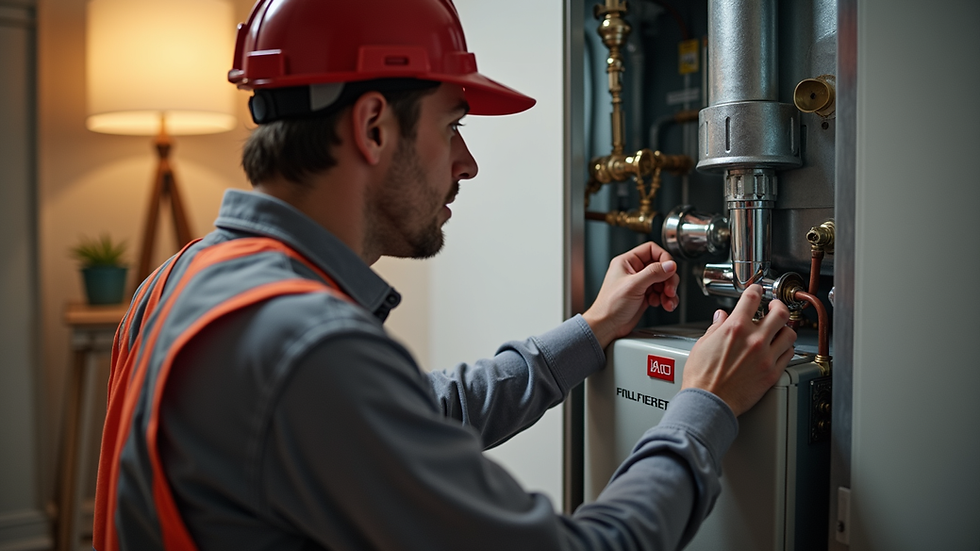
The On-Site Inspection
An energy assessor visits the property to check insulation, heating systems, windows, and other energy-related features.
Data Analysis and Report Preparation
After the visit, the assessor uses software to calculate the energy efficiency rating and produce the certificate.
Certification and Registration
The final EPC is registered on the official government database, making it valid and accessible.
Some companies might offer package deals if you need multiple certificates or additional services like advice on improving energy efficiency.
If you want to get a clearer idea of the cost of an energy performance certificate, it’s a good idea to request quotes from several accredited assessors. This way, you can compare prices and services.
How long does an EPC take?
One common question is how long the whole process takes. Generally, the on-site inspection itself is quite quick. For a typical home, it usually takes about 30 to 60 minutes. Larger or more complex buildings might take longer.
After the inspection, the assessor needs some time to prepare the report. This usually takes 1 to 3 working days, depending on their workload.
So, from booking to receiving your EPC, you can expect the process to take anywhere from 2 to 5 days. If you need it faster, some assessors offer express services, but this might increase the price.
Why Getting an EPC is Worth the Cost
You might wonder if the cost is really necessary. Here are some reasons why investing in an EPC makes sense:
Legal Requirement: If you’re selling or renting out a property, an EPC is legally required in the UK. Without it, you can face fines.
Energy Savings: The certificate highlights areas where you can improve energy efficiency, potentially saving you money on bills.
Property Value: A good EPC rating can make your property more attractive to buyers or tenants.
Compliance with Building Regulations: For new builds or renovations, an EPC helps ensure you meet energy standards.
By understanding your property’s energy performance, you can make smarter decisions about upgrades and improvements.
Tips for Getting the Best Value on Your EPC
To get the most out of your EPC certificate pricing, consider these tips:
Shop Around: Don’t settle for the first quote. Compare prices and services from different accredited assessors.
Book Early: Avoid last-minute bookings that might come with higher fees.
Prepare Your Property: Make sure your property is tidy and accessible to speed up the inspection.
Ask About Additional Services: Some assessors offer advice on improving your rating, which can be valuable if you plan to upgrade your property.
Remember, the cheapest option isn’t always the best. Look for assessors with good reviews and proper accreditation.
Making Energy Efficiency a Priority
Getting an EPC is just the first step towards better energy efficiency. Once you have your certificate, use it as a guide to plan improvements like better insulation, efficient heating systems, or double glazing. These upgrades not only reduce your carbon footprint but can also increase your property’s value and comfort.
If you’re involved in property development or building projects, keeping energy performance in mind from the start can save time and money later. An EPC helps you stay on track with regulations and shows your commitment to sustainability.
By understanding epc certificate pricing and the process behind it, you can make informed decisions that benefit your property and your budget. Whether you’re a homeowner, builder, or developer, an EPC is a valuable tool for energy compliance and efficiency.
If you want to learn more or get started with your EPC, consider reaching out to experts who can guide you through the process smoothly and affordably.


Comments